Seven Common Mistakes When Replacing Slipped or Broken Slates
A slipped slate looks like a ten-minute job, but wrong nails, mismatched sizes and torn underlay turn a...

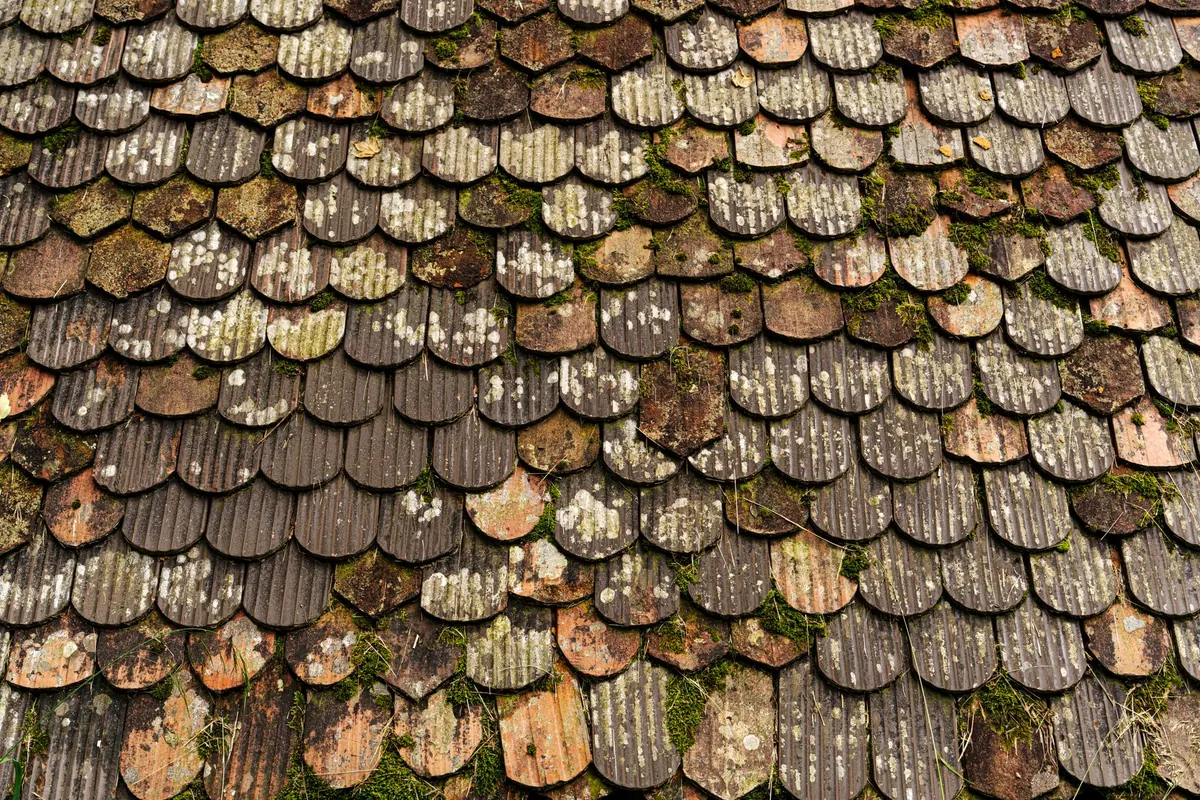
A quote for a slate roof can read like a foreign language: gauge, headlap, close mitre, diminishing courses. None of it is meant to confuse you. Slating has a working vocabulary that is centuries old and mostly very logical — words that describe where a slate sits, how far it overlaps the one below it, and how the edges of the roof are finished off.
Learn a dozen of these terms and you can follow the conversation on the scaffold, compare two quotes on equal terms, and notice the moment a contractor starts describing something that isn't quite slate. Here are the ones that come up most often.
Natural slate is quarried rock, split by hand or machine into thin sheets. Because it comes out of the ground rather than a mould, thickness varies slightly from slate to slate, and so does colour. That variation is normal, and on a large roof it is what gives the finished job its character.
Plain slate simply means a rectangular slate, as opposed to a shaped or decorative one. Grade usually refers to thickness and consistency: thicker slates are heavier, last longer and put more load on the rafters, which matters if the roof structure is old or the spec is being upgraded.
Slates are sold by size, traditionally quoted in inches — a "20 by 10" is twenty inches long and ten wide — although most suppliers now give millimetres as well. The shape of that size matters as much as the number: a long, narrow slate lays a different roof from a short, wide one, and it changes how many slates you need per square metre, and therefore the price. Dimension slate means every slate has been cut to the same nominal size, giving the crisp, even courses you see on Victorian terraces. Random slating mixes lengths and widths for the heavier, more rustic look of older country roofs.
Then there are the lookalikes. Slate-effect, reconstituted, composite and fibre cement all describe man-made tiles designed to resemble slate. Some are perfectly decent products and often cheaper, but they are not slate, and a quote should say plainly which you are being offered. Similarly, reclaimed slate is genuine but second-hand — excellent for matching an older roof, though you should ask about delamination, nail holes and how many spares will be left over.
Battens are the horizontal strips of timber fixed across the rafters. The slates hang from them, and the spacing between them decides how much of each slate is left exposed. On modern roofs, counter-battens run vertically on top of the underlay, creating a small drainage and ventilation gap beneath the horizontal battens.
Three measurements do most of the work:
The maths is straightforward. For ordinary double-lap slating, gauge equals the slate length minus the headlap, divided by two. A 500mm slate run with 65mm of headlap is therefore set out at a gauge of 217.5mm. Run the numbers the other way and a slate that is 90mm short of a full course is a sign somebody has divided the rafter length carelessly. To gauge a roof means dividing the rafter length so the courses finish tidily at the ridge rather than leaving a sliver of a course at the top.
Ask an experienced slater how a roof is set out and you will usually get one sentence: find the gauge first, and everything else follows from it.
Headlap is not a matter of taste. The shallower the pitch, the more headlap you need, because rain and snow sit on a shallow roof for longer and wind pushes water upwards. As a rule of thumb, plain double-lap slating is not normally used below around 20 degrees of pitch. Your contractor's specification should state the headlap in millimetres and it should be consistent with the slate manufacturer's guidance and BS 5534. If a quote says "slates to suit", ask what that means in numbers.
Because the gauge is fixed by the batten spacing, headlap and gauge are really two ways of describing one decision. Set the battens too far apart and you shave the headlap and weaken the roof; set them too close and you waste slate, add weight to the rafters and pay for extra courses. That is why a written specification should give a gauge figure rather than the vague promise of "battens at standard centres".
A course is a single horizontal row of slates. The bond is the way one course is staggered against the one below, usually by half a slate, so that no vertical joint lines up with the joint beneath it. Water running down a joint then hits the face of a slate in the course below and has to travel sideways to find the next opening.
Diminishing courses are the signature of many older roofs: long slates at the eaves, growing progressively shorter as they rise to the ridge. The reasons are practical rather than decorative. On a steep roof the lower courses take the brunt of the weather and carry the water running off everything above them, so they need the greatest headlap and the biggest slates; up near the ridge the slates stay much drier and can be smaller. The result is the gently tapering courses that give an old roof its weight and its sense of proportion. It is also one reason a re-slate in diminishing courses costs more, because the slates must be sorted and laid in size order rather than taken from the top of the stack.
The middle of a roof is the easy part. The vocabulary gets denser at the boundaries.
When a contractor says the "cuts and abutments" are included, they mean the awkward work: the closers, the mitres, the flashings around chimneys, the verges. It is often the most skilled — and most under-estimated — part of the job, so it is worth asking what is being allowed for.
Slates are only the visible layer of a system. Beneath them sit materials you will never see again once the roof is closed:
None of this shows in the finished roof, which is exactly why it should show in the quote. Ask what membrane is specified, what the nails are made of, and how many fixings per slate.
Once you know the vocabulary, the quotes start reading like plans rather than sales pitches. Batten, gauge, headlap, course, verge — five words that will tell you most of what you need to know about whether the job in front of you is being done properly.
Photo: Hugo Sykes / Pexels
A slipped slate looks like a ten-minute job, but wrong nails, mismatched sizes and torn underlay turn a...
A month-by-month routine for inspecting a slate roof from the ground, spotting slipped slates and blocked...
Twelve seasonal jobs — from clearing gutters and checking flashings to replacing slipped slates and...